
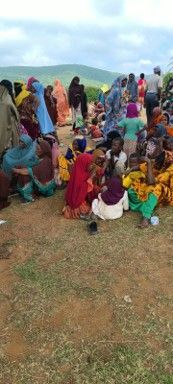
As the crisis continues in Northern Kenya and Southern Ethiopia, Frontier Partners International and Village Hope Renewal continue to bring long-term help to the drought-stricken region.
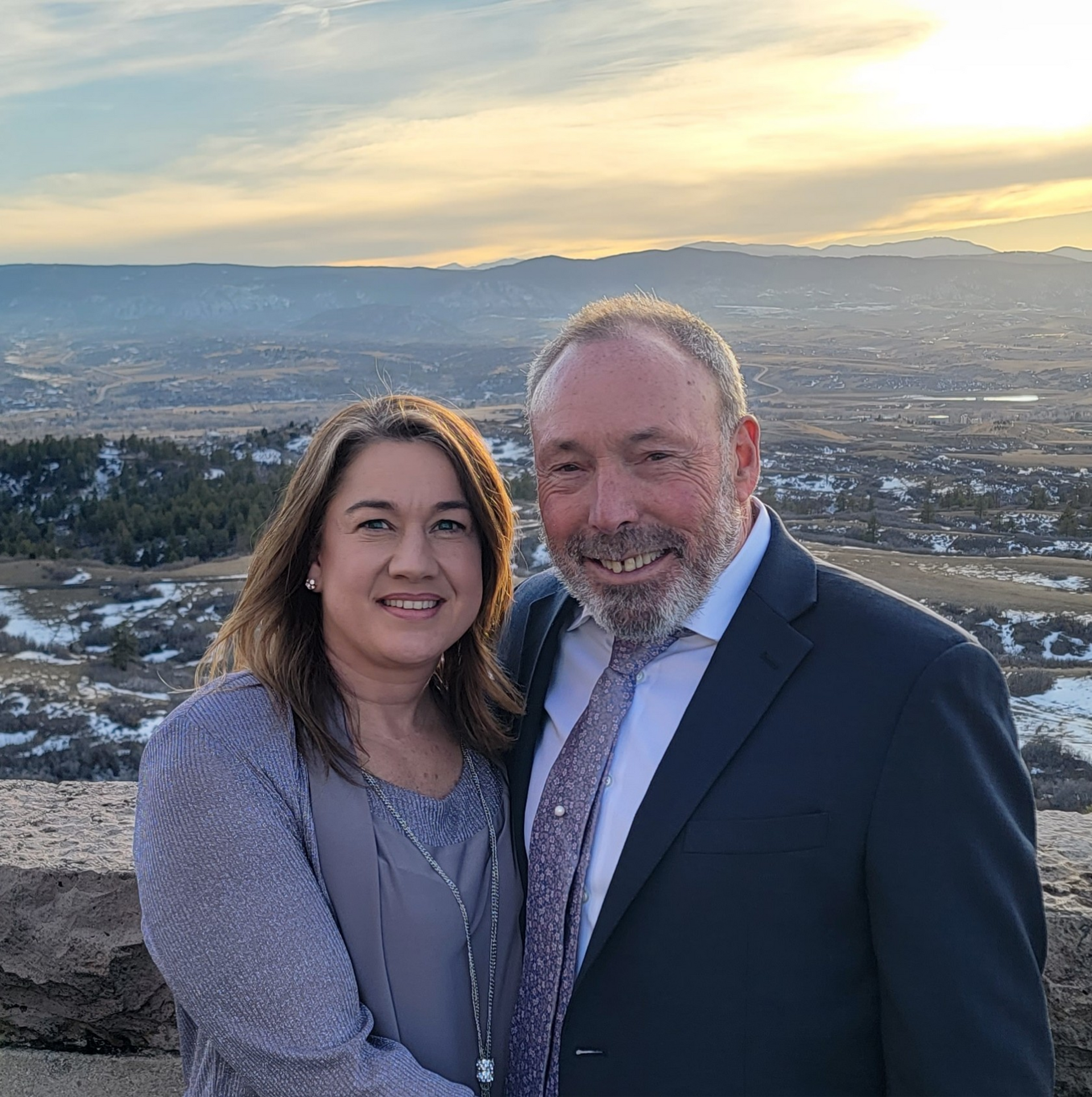
Wubshet and Habiba Mengesha: Community-Led Development in Northern Kenya
Wubshet and Habiba Mengesha, working alongside local community leaders and members, have helped bring HOPE, dignity, and meaningful change to vulnerable communities across northern Kenya. Through their personal sense of responsibility and a shared Community Development (CD) approach, the Mengeshas partner with villagers to identify their most pressing needs and develop practical, sustainable solutions using their own skills, resources, and leadership.
Sustainable Community Development in Kenya: Water, Food, Health, Income, and Education
The work focuses on five key areas: water, food, wellness, income, and education. Rather than creating long-term dependence on outside assistance, the Mengeshas encourage communities to take ownership of their development, build confidence, and work together toward a brighter future.
The Impact of Village Hope Renewal in Northern Kenya
Clean Water and Sanitation Projects in Rural Kenya
Community members repaired a broken water-pump generator, restoring access to fresh water. Families also learned about hygiene, water purification, handwashing, and constructing simple latrines to help prevent illness.
Women's Small Business and Farming Programs in Kenya
Women and families developed small businesses, including tea and food kiosks, grocery shops, butcheries, and vegetable sales. Community farming initiatives, including the Miracle Hectare project and drip irrigation, helped families grow and sell produce.
Secondary School Scholarships for Children in Northern Kenya
Scholarships enabled children from financially struggling families to attend secondary school. The reports also describe improvements in educational support and housing for teachers.
Helping Displaced and Homeless Families Rebuild After Violence
Assistance included building homes for families experiencing homelessness, providing clothing and supplies, helping families rebuild after violent attacks, and supporting efforts to restore livestock-based livelihoods.
Community Health Education and Medical Outreach in Kenya
Wellness education and medical outreach helped families learn preventive health practices. Local staff also supported individuals needing medical attention, including Peter, who received treatment and follow-up care.
Training Local Leaders for Lasting Self-Sufficiency
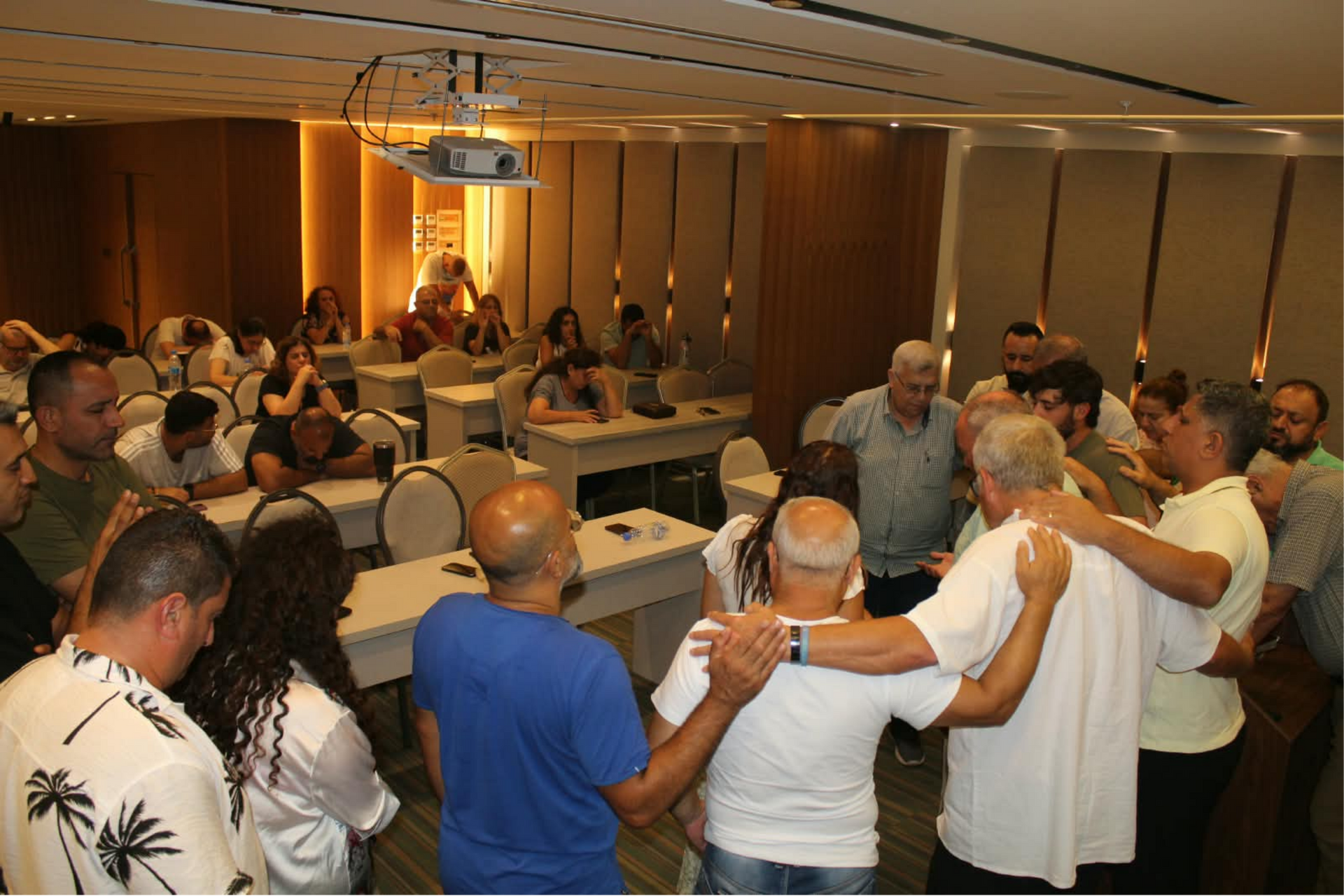
Local committees and community members were trained to identify priorities, organize projects, and lead improvements themselves. For example, more than 1,000 people were reached in Gambella alone, and many more were involved in community development across multiple villages and communities over the last 20 years of compassionate outreach.
Real Stories of Hope: How Kenyan Women and Students Are Changing Their Futures
The experiences of individual community members illustrate the lasting potential of this work. Habiba built a successful food business that helped her provide for her children and pay their school fees. Safia and Jamila turned a small tea-selling venture into a source of income and inspiration for other women. Mama Shuke and her family improved their sanitation practices through wellness education. Students such as Halima received scholarships that opened doors to further education and new possibilities.
These stories reflect more than financial improvement. They demonstrate growing confidence, renewed hope, stronger relationships, and the belief that families and communities can influence their own futures.
Drought, Conflict, and Displacement: Ongoing Humanitarian Needs in Northern Kenya and Southern Ethiopia
Despite significant progress, communities continue to face serious challenges, including extreme poverty, food insecurity, limited healthcare access, inadequate infrastructure, drought, and recurring tribal conflict and insecurity. Violence has displaced families, destroyed homes, and resulted in the loss of livestock and livelihoods. Poor roads and long distances to medical facilities have also made access to urgent care difficult.
How You Can Help Families in Northern Kenya Recover from Drought and Conflict
Continued partnership and support remain important to strengthening local leadership, expanding sustainable livelihoods, improving healthcare and education, and helping communities recover from hardship.
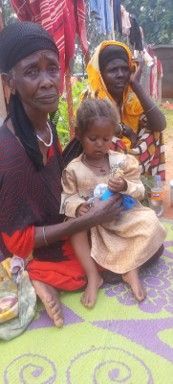
Thank You to Our Partners: Supporting Hope and Dignity in Kenya
Our Kenya program reports consistently emphasize that this progress is made possible through the dedication of local community members, staff, volunteers, and generous supporters. Their collective efforts have helped families move from uncertainty toward greater stability, independence, and hope.
At the heart of this work is a simple but powerful commitment: to walk alongside vulnerable communities with compassion, respect, and practical support, empowering people to build a healthier, more secure, and more hopeful future for themselves and their children.
Thank you to everyone who has contributed time, resources, encouragement, and care. Your partnership has helped create opportunities for meaningful change and has reminded families facing difficult circumstances that they are not alone.

Share Now: